In modern workplaces where productivity and employee well-being are equally important, a well-designed lifting workbench plays a critical role. It is not merely a material-handling tool, but a core piece of equipment for optimizing workflows and preventing occupational injuries. While standard lifting table can meet basic operational needs, truly high-performing solutions are typically well-engineered and customized to deliver maximum efficiency and long-term value.
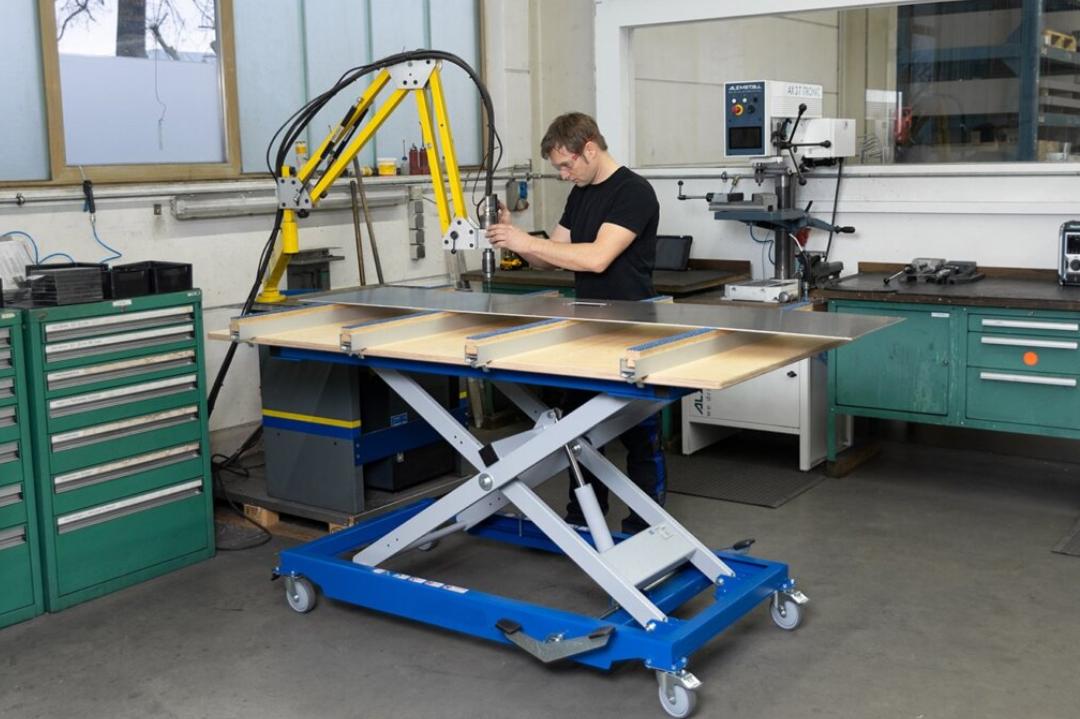
The fundamental value of a lift table lies in its adaptability. By precisely adjusting workpieces to the optimal working height, it enables employees to perform assembly, packaging, and inspection tasks in a natural, comfortable posture. This significantly reduces musculoskeletal strain caused by bending, twisting, or excessive reaching. A standard electric lifting workbench—such as the DAXLIFTER—featuring a robust molded steel structure, a reliable closed hydraulic system, and strong load and lifting capacity, can effectively handle many routine applications. However, when workflows become more complex or when higher standards for efficiency and ergonomics are required, customization evolves from a “nice-to-have” into a true necessity.
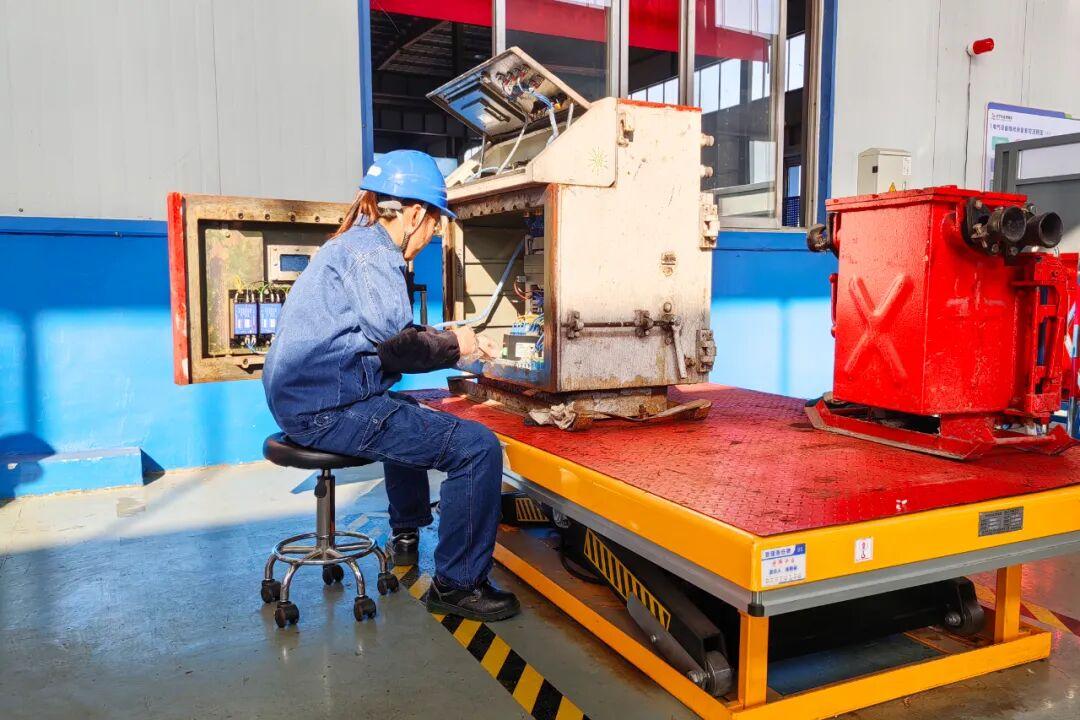
Customization allows the equipment to integrate seamlessly into specific operational scenarios. One particularly valuable option is a tilting lift table. By presenting materials at an optimal angle, a tiltable surface dramatically reduces operator twisting and physical strain during order picking or heavy-component assembly. DAXLIFTER’s tilting lift table solutions offer flexible angle adjustments, while their heavy-duty construction and secure hydraulic design ensure safety is never compromised.
The worktable surface itself offers extensive customization possibilities. Beyond standard flat platforms, ball transfer tables can be selected to enable effortless movement of heavy items, while roller conveyor sections can be integrated for smooth handoff between upstream and downstream processes. Such deep integration with existing production lines and material-handling systems is a cornerstone of lean manufacturing, with the lifting platform serving as a critical connection point.
Key physical parameters must also be carefully matched to actual operating requirements. The required lifting stroke and maximum load capacity are fundamental design considerations. Whether the application involves assembling lightweight electronic components or handling multi-ton automotive parts, the platform’s structural strength and lifting power must be precisely configured to ensure smooth, stable, and reliable operation.
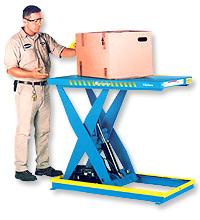
In some cases, operational challenges are highly specific. These may include handling irregularly shaped materials, meeting strict dust or corrosion protection standards, or implementing complex functions within limited space. In such situations, advanced engineering and customization capabilities become essential. Experienced suppliers can collaborate closely with users to identify process bottlenecks and develop tailored solutions—such as anti-drift mechanisms or specially designed conveyor systems—transforming operational challenges into opportunities for improved efficiency.
In summary, selecting an ergonomically designed lift table involves far more than comparing technical specifications. It is a systematic decision-making process: first, gaining a clear understanding of ergonomic risks and efficiency bottlenecks within your workflow; second, working closely with an experienced supplier to translate those needs into customized features such as tilting functions, specialized platform surfaces, and precise load capacities; and ultimately, investing in equipment that functions not just as a tool, but as a true process optimizer.
A well-designed, custom lifting workbench delivers returns that far exceed its initial investment. By safeguarding employee health, reducing fatigue, and streamlining operations, it consistently enhances productivity and work quality. The greatest value is realized when equipment is perfectly aligned with both people and processes.
Post time: Dec-20-2025